
Our services
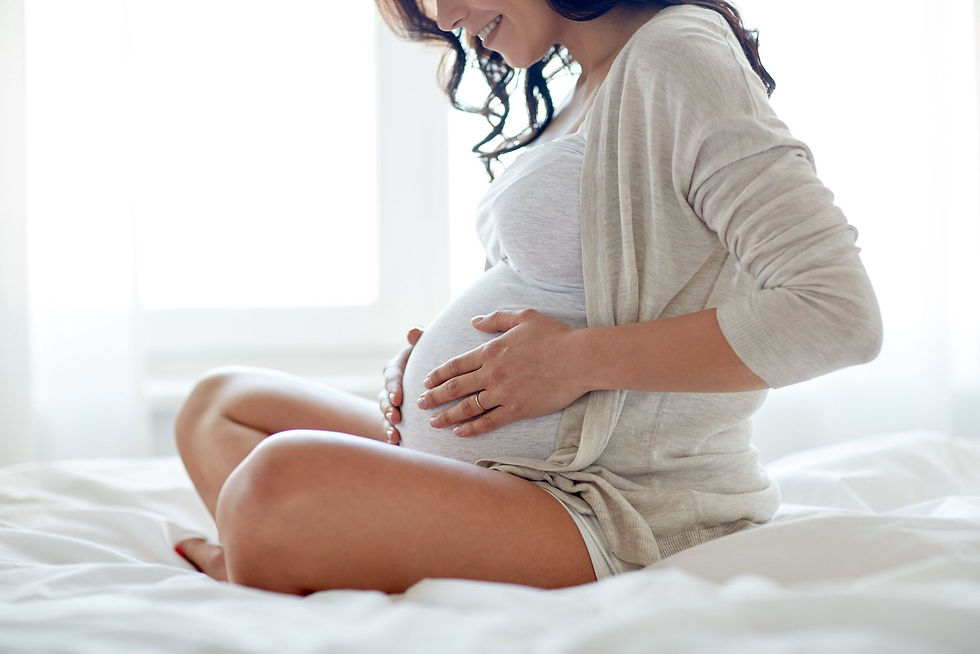


Pregnancy care
Prenatal care includes regular check-ups, healthy eating, and monitoring the mother's and developing fetus's health. Regular ultrasound exams, weight and blood pressure checks, and gestational diabetes testing are all part of it. Attending all prenatal visits, eating a healthy diet, and taking the proper precautions to prevent infections are crucial for expectant women. For a healthy pregnancy, regular exercise and abstaining from dangerous substances like alcohol and tobacco are also essential. A good pregnancy depends on open communication with your doctor and asking for advice when necessary.
Periods Problem
Period problems are any issues that affects a woman's menstrual cycle, and some of the more typical ones are irregular periods, excessive bleeding, uncomfortable cramps, premenstrual syndrome (PMS), and no periods at all. These issues might interfere with a woman's daily activities and lead to physicaland psychological suffering. Stress, certain medical issues, and hormonal abnormalities can all cause menstrual troubles. There are many therapies available to control menstrual difficulties; therefore it is crucial for women to discuss their menstrual cycle and any symptoms they are having with their doctor. Changes in lifestyle, hormone therapy, and medicine are some examples of this.
Contraception
Contraception refers to methods of preventing pregnancy. Several methods of birth control are available, including hormonal methods (such as birth control pills), barrier methods (such as condoms), intrauterine devices (IUDs), and permanent methods (such as tubal ligation).
Hormonal methods work by changing the amount of hormones in the body to prevent ovulation Barrier methods, such as condoms, physically prevent sperm from entering the egg IUDs are small T-shaped devices that are inserted into the uterus to prevent fertilization. In permanent methods such as tubal ligation, the fallopian tubes are surgically blocked to prevent fertilization.
The type of birth control a woman uses depends on several factors, including her health, lifestyle, and personal preferences. It is important for women to talk to their doctor about their options and choose the method that is best for them They should also know that no contraceptive method is 100% effective, and they should use additional protection, such as condoms, to reduce the risk of sexually transmitted diseases.
Infertility
Infertility is the inability to conceive a child after a certain period of unprotected sex. It affects many couples and can be caused by a variety of factors, including hormonal imbalances, age, lifestyle factors and certain medical conditions
There are several treatments for infertility, including medications, minimally invasive procedures, and assisted reproduction technologies such as in vitro fertilization (IVF) The specific treatment recommended depends on the cause of the infertility, the overall health of the couple, and individual preferences and circumstances
In some cases, infertility can be caused by a combination of factors and may require several treatments or a combination of treatments to get pregnant. It is important for couples to discuss their options and concerns with their doctor and, if necessary, seek help from family, friends or a support group.
Although infertility can be a difficult and exciting journey, it is important to remember that many couples can conceive with the help of medical care and support With the right care and support, couples can increase their chances of conceiving and giving birth to a healthy baby
Others
High Risk Pregnancy Care, Pre and Post Delivery Care, Adolescent Gynecology, Fertility Enhancing, MTP etc
Vaginal Delivery
A normal delivery occurs when a baby is delivered naturally via the mother's vagina without the use of medical devices or surgery. Strong pains or contractions that help the baby exit the uterus and enter the world will be experienced by the mother during this type of birth. Normal birth is seen to be the healthiest and most natural method to have a baby, but occasionally a caesarean section may be required to ensure the safety of both mother and child.
Menopause
Menopause is a natural biological process that marks the end of a woman's reproductive years It occurs when the ovaries stop producing eggs and hormones, especially estrogen, drop. Menopause usually begins between the ages of 45 and 55, although it can occur earlier or later The most common symptoms of menopause are hot flashes, night sweats, irregular periods, mood swings and vaginal dryness Some women may also experience other symptoms such as insomnia, weight gain, and joint pain Although menopause is a normal part of aging, the symptoms can be distressing for some women There are several treatments available, including hormone therapy, lifestyle changes, and medications to help manage symptoms It is important for women to talk to their doctor about menopause symptoms and any concerns they may have
Ovarian Cyst
An ovarian cyst is a fluid-filled sac that forms on or inside an ovary. Ovarian cysts are common and usually cause no symptoms. non-cancerous) and disappear on their own
There are several types of ovarian cysts, including functional cysts, which are common and usually harmless. They occur as part of a normal menstrual cycle and usually go away on their own within a few months Other types of ovarian cysts, such as cystadenomas and dermoid cysts, may need to be removed if they are causing symptoms or if you are concerned that they may be cancerous Diagnosis of ovarian cysts usually involves a pelvic exam and ultrasound. Treatment for ovarian cysts depends on the size and type of cyst, as well as the woman's general health and symptoms. Ovarian cysts usually do not require treatment and go away on their own, however, if the cyst causes symptoms or is suspected to be cancerous, surgery may be required to remove it Diagnosis of ovarian cysts usually involves a pelvic exam and ultrasound Treatment for ovarian cysts depends on the size and type of cyst, as well as the woman's general health and symptoms Ovarian cysts often do not require treatment and disappear on their own, however, if the cyst causes symptoms or is suspected to be cancerous, surgery may be required to remove it.
Uterine Fibroids
A uterine fibroid is a benign growth that develops in the uterus and is made up of muscle and connective tissue This is a common condition that affects many women, and most women with fibroids do not have any symptoms However, for some women, fibroids can cause heavy bleeding, pain, pressure on the bladder or rectum, and discomfort during sexual activity
The exact cause of fibroids is unknown, but several factors have been linked to their development, including genetics, hormonal imbalances, and obesity Treatment for fibroids depends on the woman's symptoms and general health and may include medication, minimally invasive procedures, or surgery If a woman has symptoms of fibroids, her doctor may recommend a myomectomy, which is a surgical procedure to remove the fibroids while leaving the uterus intact For women who have stopped having children or do not want to maintain their ability to have children, a hysterectomy, a surgical procedure to remove the uterus, may be recommended
C-section
Unlike a vaginal birth, a cesarean section, also known as a C-section, involves an incision in the mother's abdomen and uterus This type of birth may be necessary when the mother or baby are at risk of health problems, such as when the baby is distressed or the mother has medical conditions that make a vaginal birth too risky C-sections are a common and safe method of delivery, and many women who have had them recover quickly and become pregnant again
PCOD/PCOS
PCOS (polycystic ovary syndrome) and PCOD (polycystic ovary syndrome) are two names for the same condition PCOS is a hormonal disorder that affects women during their reproductive years The exact cause of PCOS is unknown, but it is thought to be related to a combination of genetic and environmental factors Treatment for PCOS may include lifestyle changes, such as weight loss and increased exercise, as well as medications to regulate hormones and improve insulin resistance In some cases, women with PCOS need to take birth control pills to regulate their menstrual cycles and manage their symptoms For women with PCOS, it's important to talk to your doctor about your symptoms and any concerns you may have.
Hysterectomy
A hysterectomy is a surgical procedure that removes the uterus This procedure is usually done when other treatments, such as drugs or therapy, have not been successful in treating conditions such as heavy bleeding, chronic pain, or uterine cancer There are several types of hysterectomy, including total hysterectomy (removal of the uterus and cervix), partial hysterectomy (removal of the uterus while leaving the cervix in place), and radical hysterectomy (removal of the uterus, cervix, and surrounding tissue) . The type of hysterectomy a woman receives depends on the reason for the surgery and her overall health Recovery from a hysterectomy can take anywhere from a few weeks to a few months, depending on the type of procedure and the woman's overall health Women who have had a hysterectomy cannot have children and may experience changes in their menstrual cycle, sexual function and hormone levels.
Myomectomy
A myomectomy is a surgical procedure to remove fibroids, which are benign tumors that occur in the uterus Fibroids can cause a variety of symptoms, including heavy bleeding, pain, and pressure on the bladder or rectum Myomectomy is usually recommended for women who have symptoms of fibroids and want to preserve their ability to have children
There are several ways to perform a myomectomy, including open surgery, laparoscopic surgery (using small incisions and tools), and hysteroscopic surgery (done through the cervix using a camera and tools). The type of myomectomy performed depends on the size and location of the fibroids and the general health of the woman. Recovery from a myomectomy varies depending on the type of procedure and the woman's overall health, but usually takes a few weeks to a few months Women who have had a myomectomy may experience abdominal pain, swelling, and tenderness, as well as changes in their menstrual cycle and sexual function.